Do You Need a Bone Graft Before Getting Dental Implants?
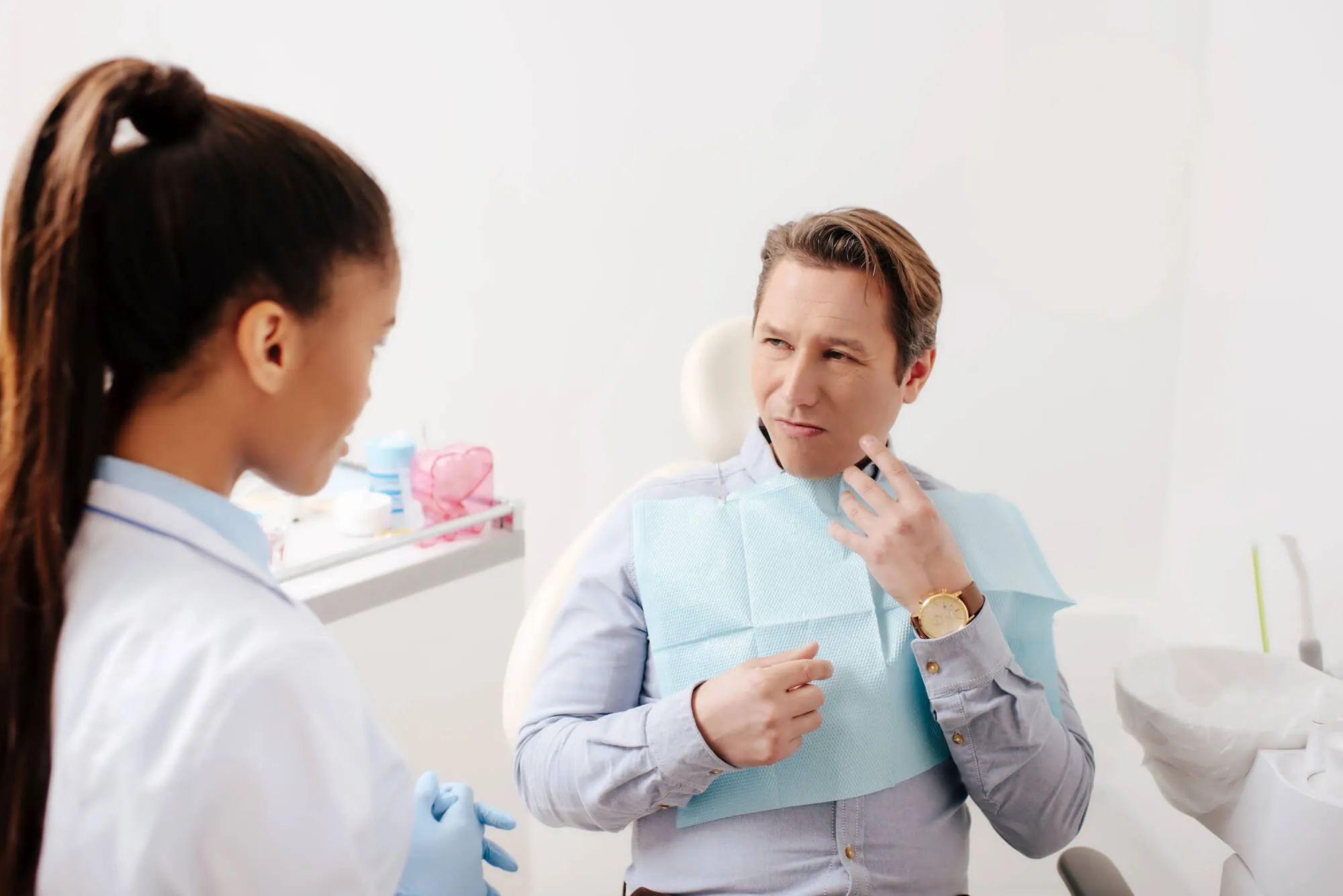
You've decided to replace a missing tooth, and then you hear the words “bone graft” from your dentist. Suddenly, a simple plan feels more complicated, and you may worry about extra surgery, cost, or healing time. A graft isn't always part of the process, and when it is, it serves a clear purpose for your smile.
Planning for Alexandria, VA, dental implants starts with a close look at your jawbone, since a healthy bone provides a strong foundation for permanent tooth replacement.
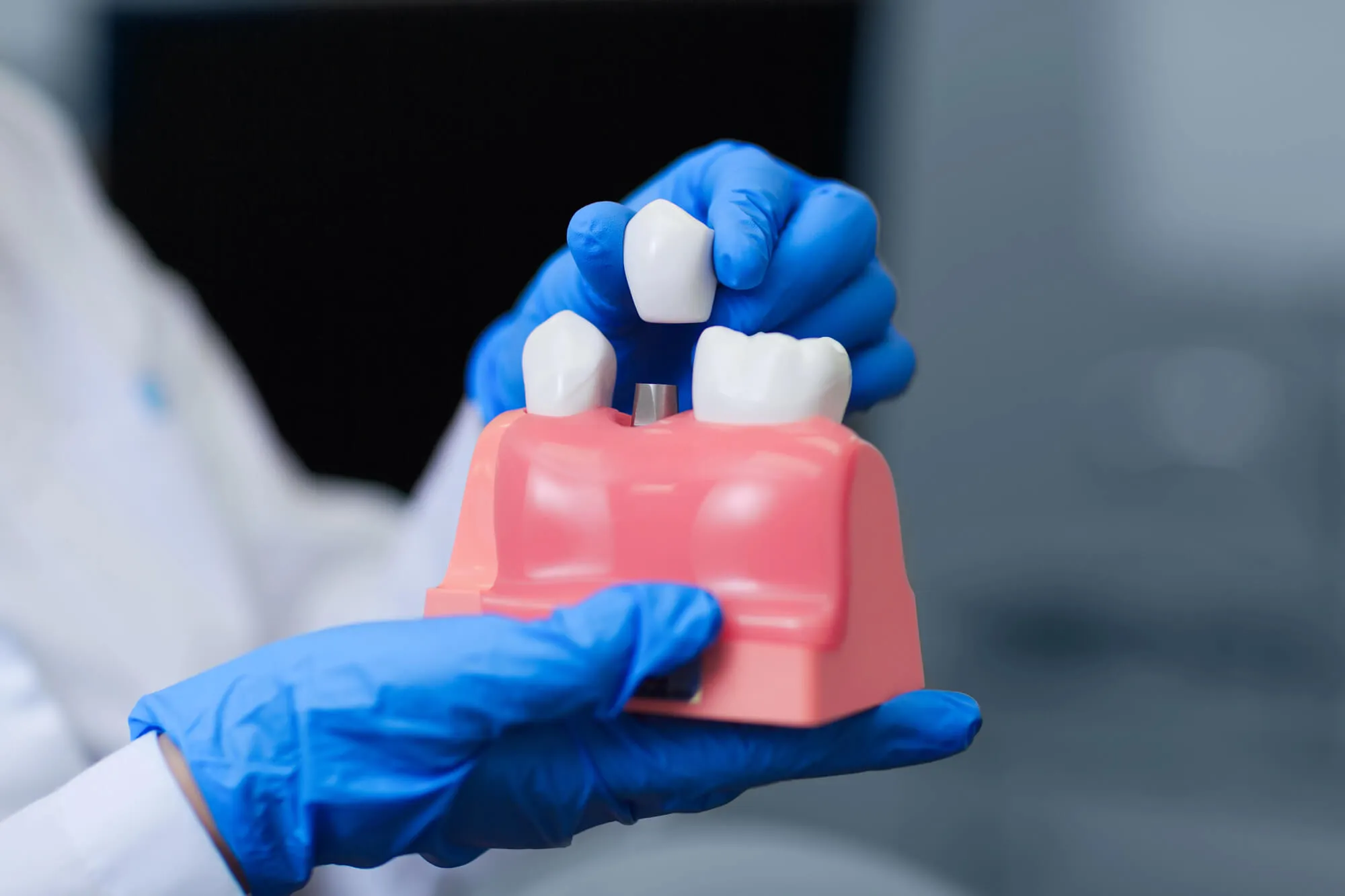
Why Your Jawbone Matters for Dental Implants
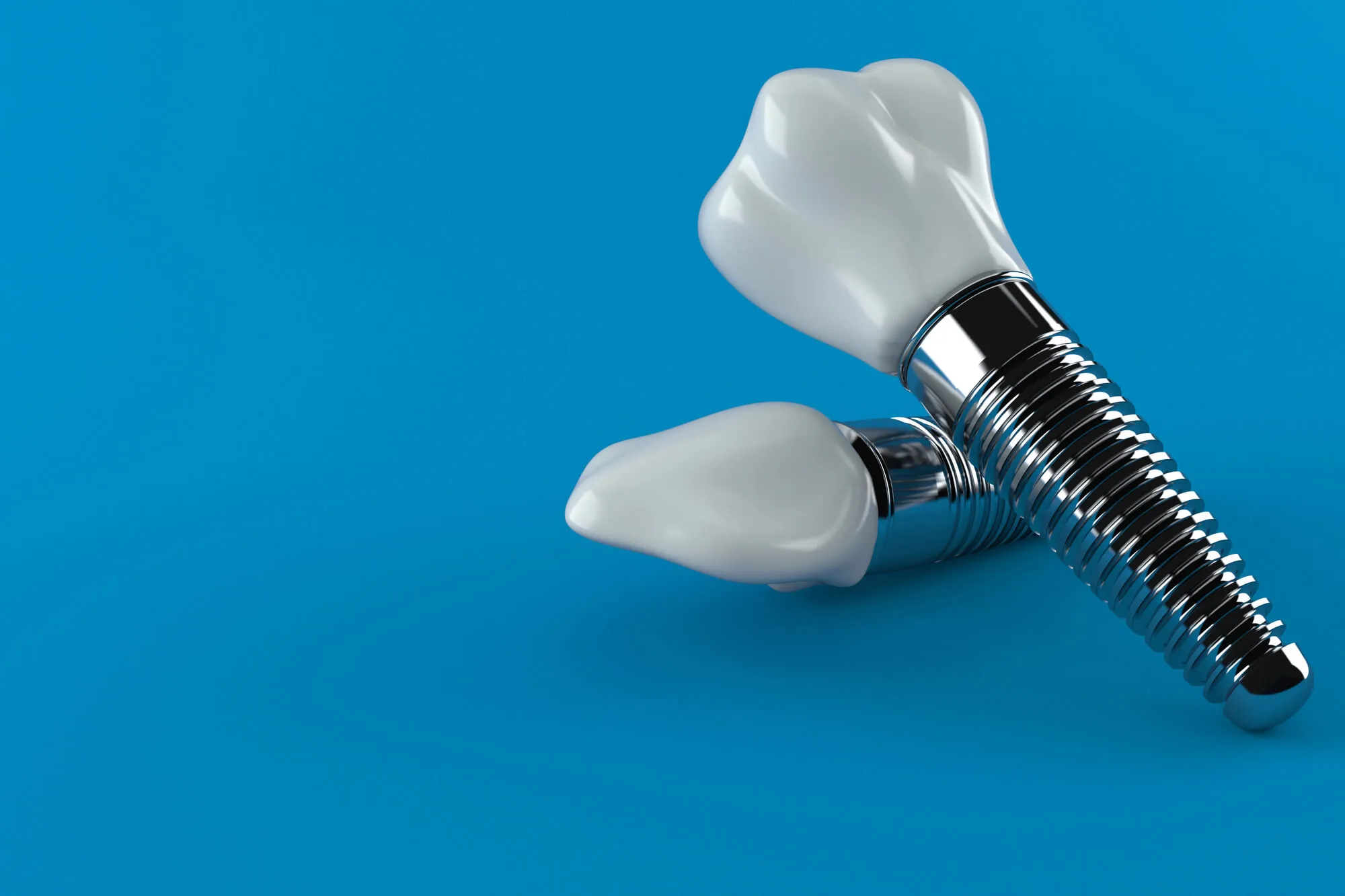
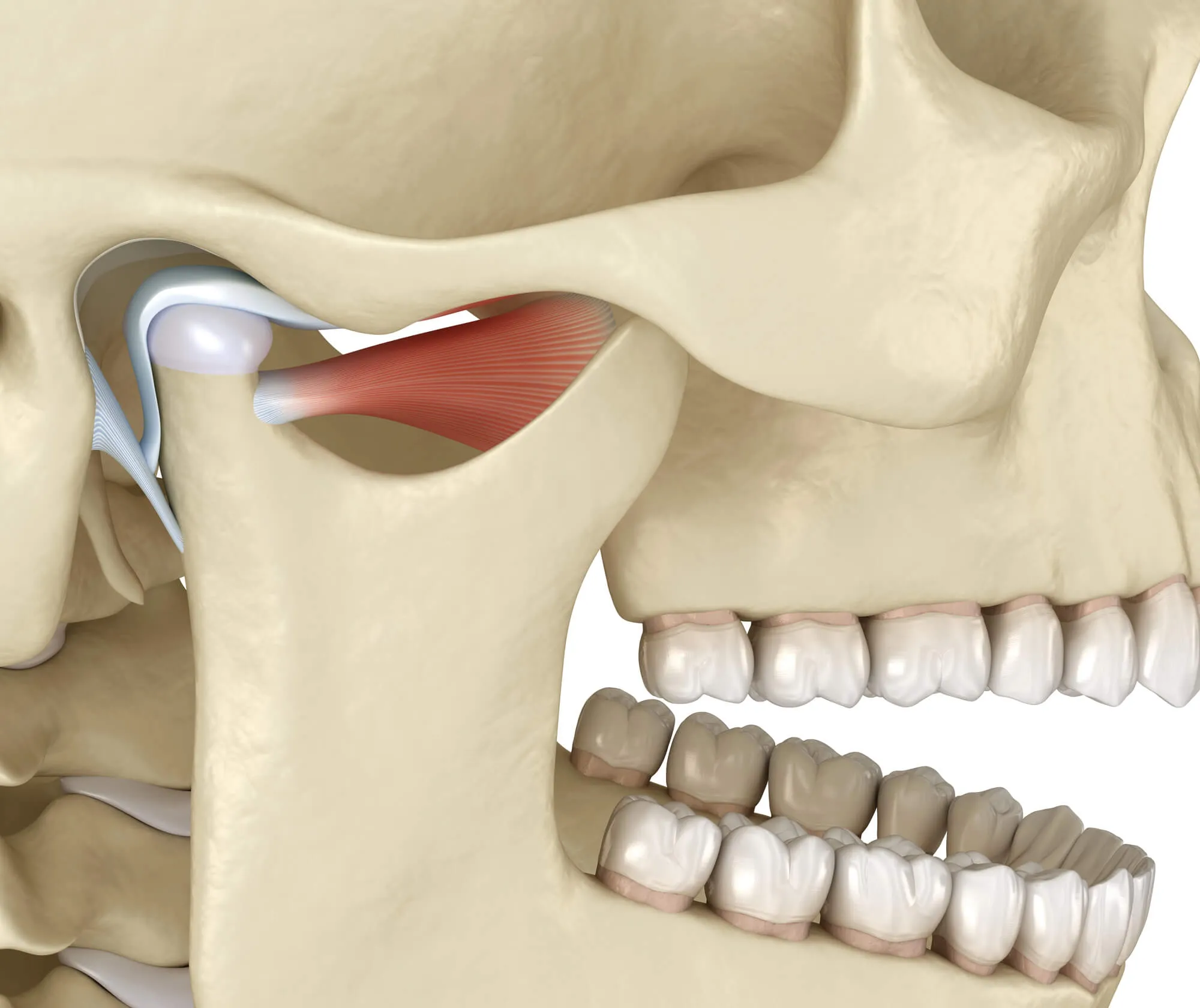
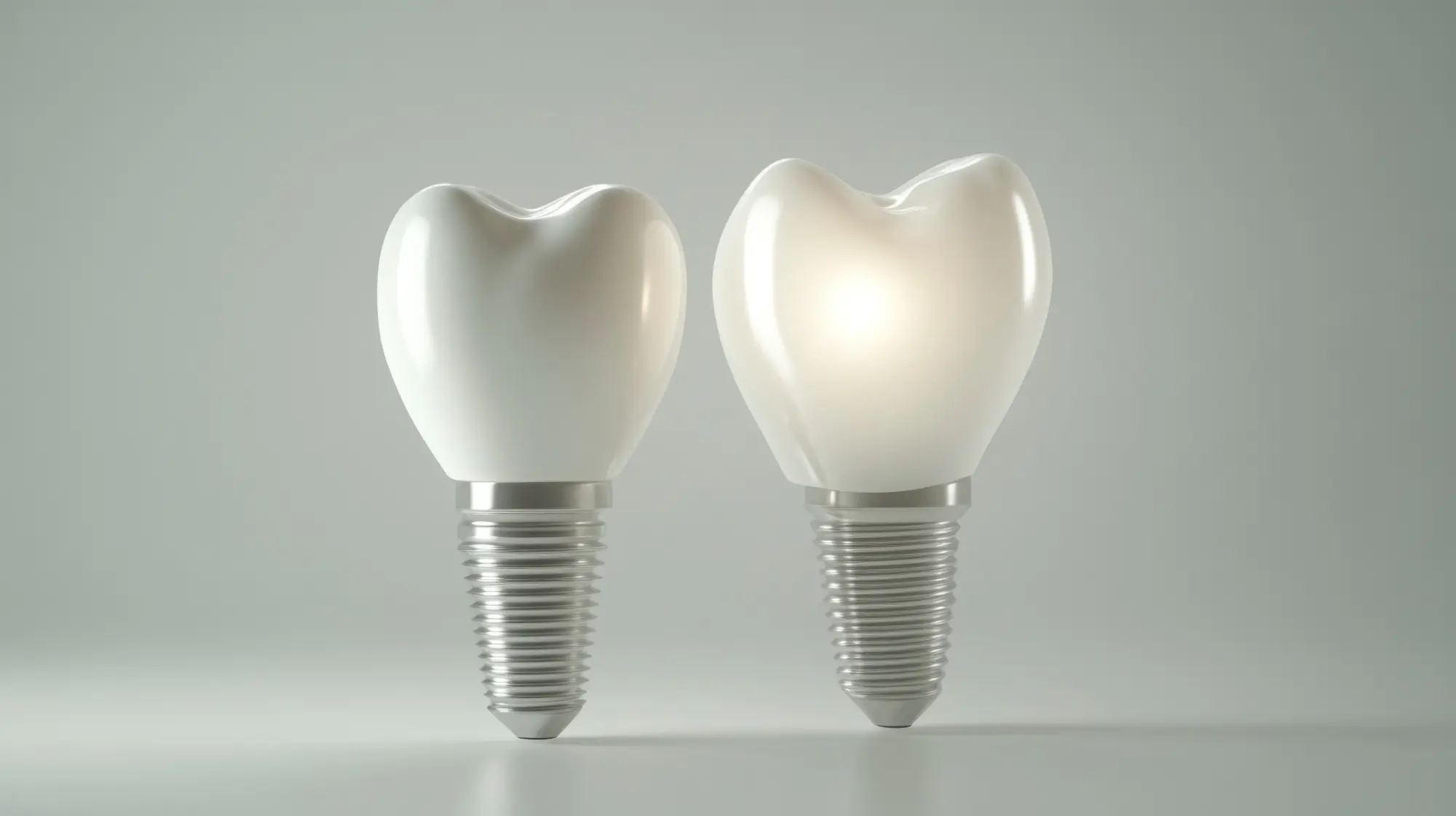
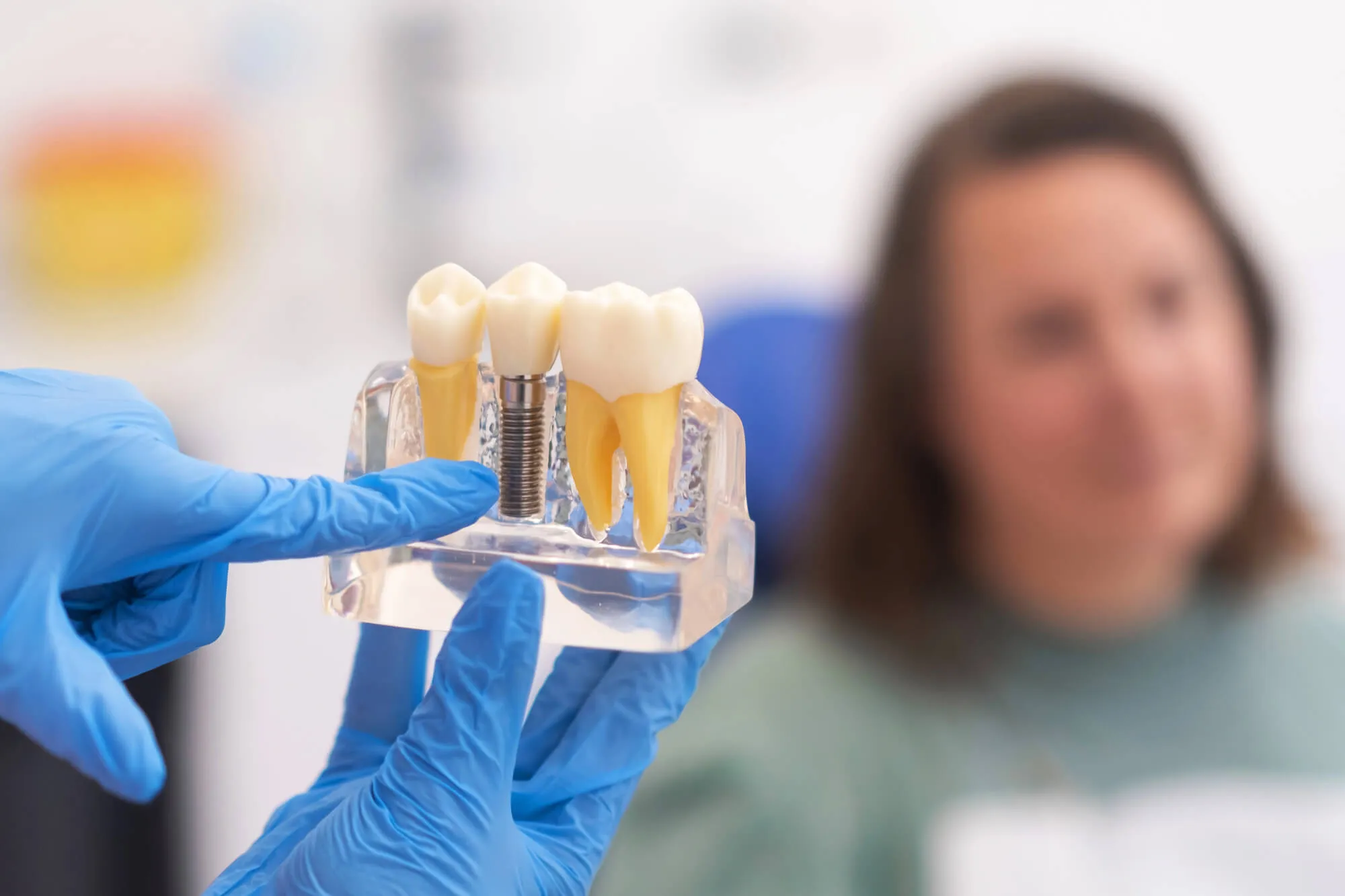
An implant is a titanium post that replaces a tooth root. Over several months, the post fuses with your jawbone through a process called osseointegration. That bond only forms when enough healthy bone surrounds the post.
What Causes Bone Loss in the Jaw
Tooth roots stimulate the bone each time you chew. Once a tooth is gone, whether from decay, injury, or a tooth extraction, the jawbone gradually shrinks without that stimulation. A few things speed up bone loss:
- Going months or years without replacing a missing tooth
- Advanced gum disease
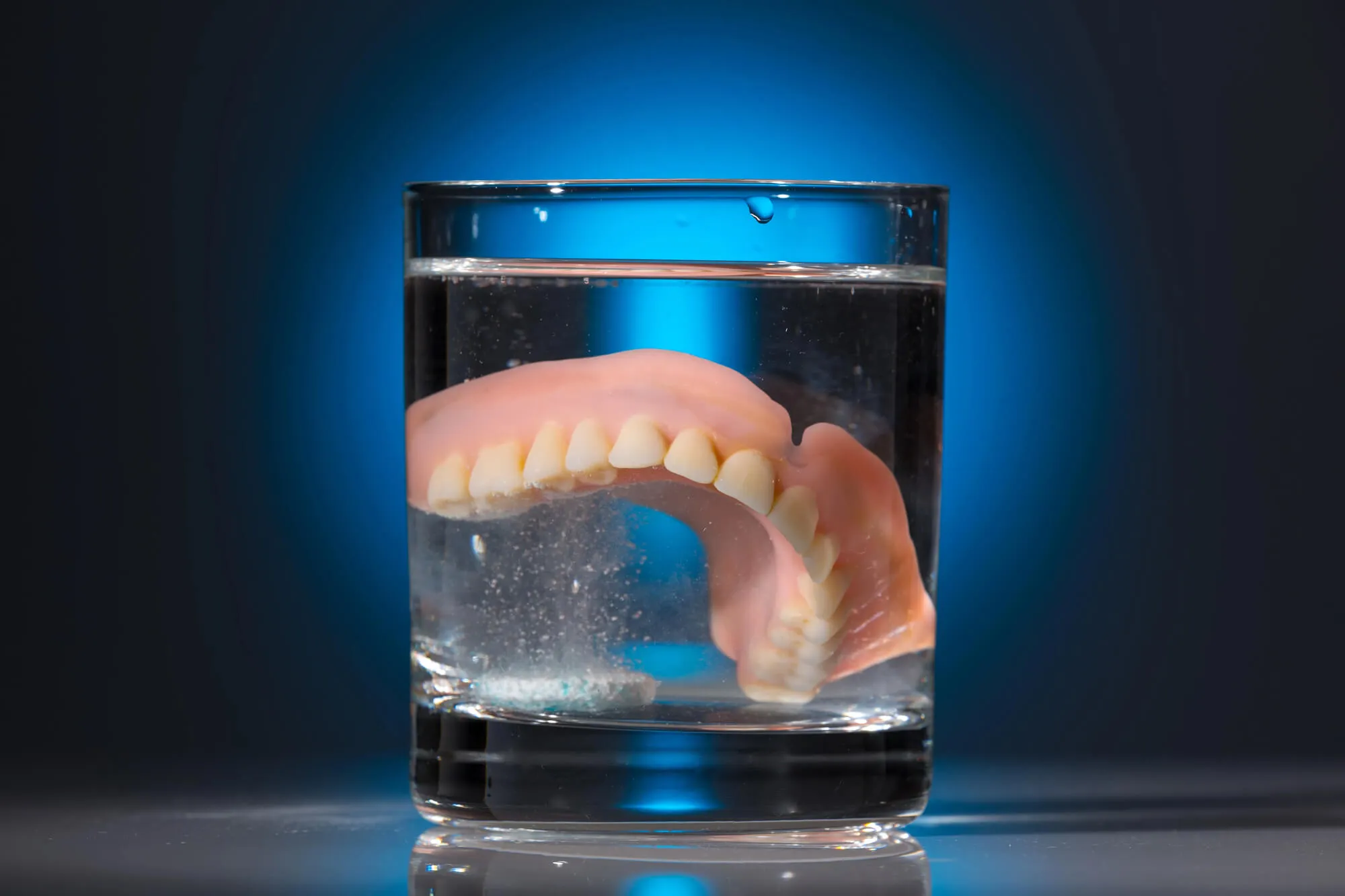
- Wearing traditional dentures for a long time
Signs You May Need a Bone Graft
Only an exam and X-rays can confirm how much bone you have. Still, some clues suggest a graft may be part of your plan:
- A tooth has been missing for a long time
- Your dentures feel looser than they used to
- Your face looks sunken near the gap
- You have a history of gum disease
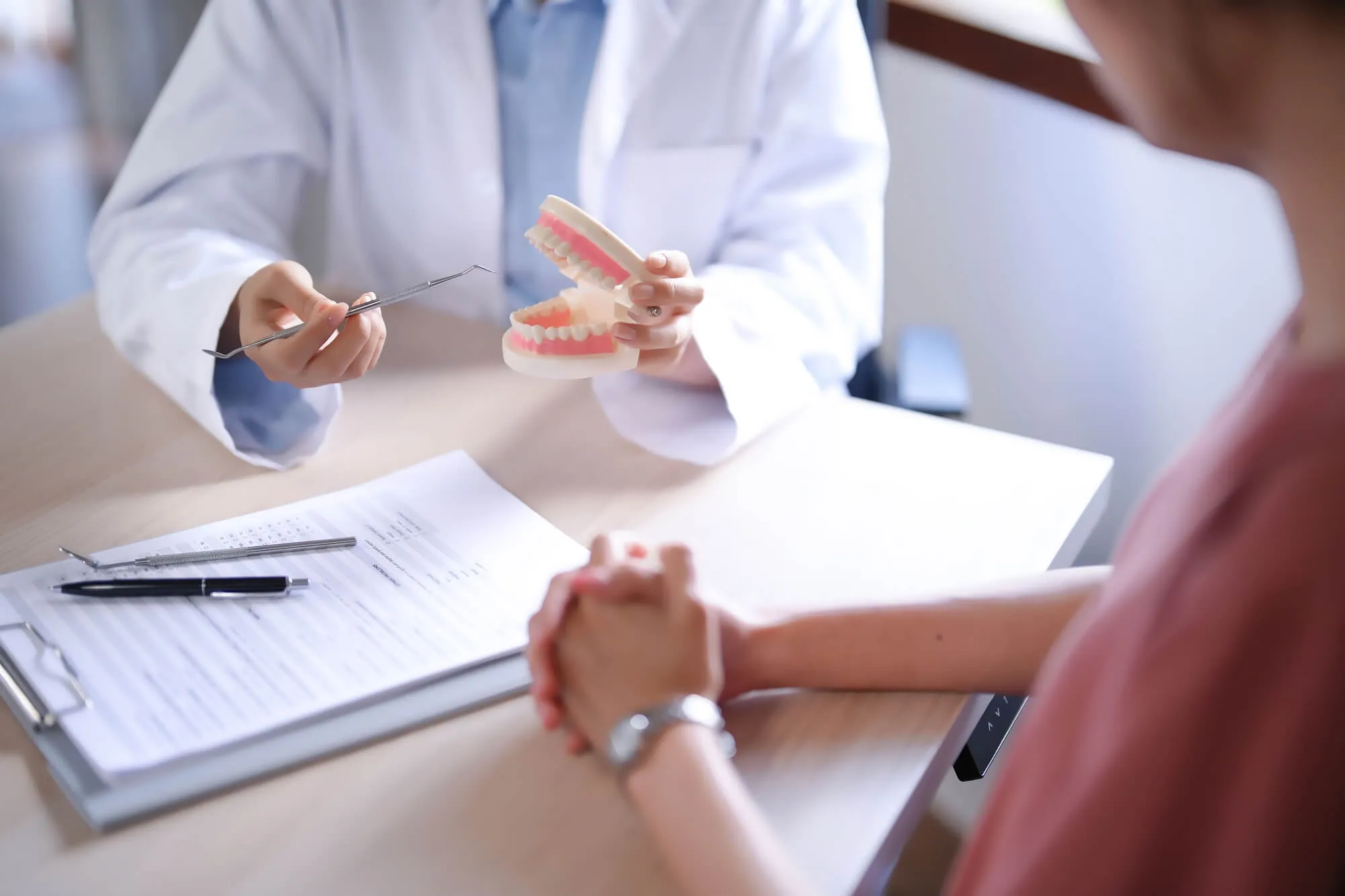
A dentist weighs these details during an implant candidacy evaluation.
How Bone Grafting Works
A bone graft adds biocompatible material to a thin or weak area of your jaw. Your body then builds new bone around it. Grafts often help in these spots:
- Areas affected by gum disease
- Places where a tooth has been missing for years
- The upper back jaw, where a sinus lift creates room for the implant post
A graft usually needs at least 3 months to heal before an implant can be placed. Larger grafts can take longer.
Options When Bone Is Limited
A graft isn't the only path forward. Mini dental implants use smaller posts and can work well when bone support is limited, especially for securing dentures. All-on-4® full-arch treatment uses angled posts that make the most of existing bone, which often avoids extensive grafting.
Frequently Asked Questions
Does a bone graft hurt?
Local anesthesia keeps the area numb during the procedure, and sedation can help you relax. Mild soreness for about a week is normal, and soft foods and ice help ease it.
Can the graft and implant happen on the same day?
Sometimes. When only a small amount of bone is needed, a dentist may place both during one visit.
Will I always need a graft if a tooth has been missing for years?
Not always. Bone loss varies from person to person, and imaging shows exactly what your jaw can support.
Plan Your Alexandria, VA, Dental Implants with NaLa Smiles
At NaLa Smiles, our patients are our greatest asset. Dr. Uzma Ansari, Dr. Hazim Sadeddin, and Dr. Suh combine comprehensive care, friendly service, and advanced digital imaging to see exactly what your jaw can support.
From bone grafting to single-tooth implants and All-on-4®, your plan is built around your smile and your health, with CareCredit® and Sunbit® financing available. We're here to help you smile with confidence, so call (703) 706-9565 or contact our Alexandria dental office to schedule your consultation.
"Nobel Biocare, NobelProcera, NobelGuide and All-on-4 are trademarks of the Nobel Biocare group."
Want to read more from NaLa Smiles?
Save us as a Preferred Source!