Root Canal Myths: Does It Hurt? What Modern Treatment Is Really Like
Few dental procedures carry as many misconceptions as root canal treatment. For decades, stories about painful experiences have caused many patients to feel anxious the moment a root canal is mentioned. In reality, modern dentistry has changed considerably, and much of what people believe about root canals is based on outdated information. A dentist on the Parkway often sees patients who are more concerned about the treatment itself than the tooth pain that brought them into the office. Understanding what a root canal actually involves can help separate common myths from reality.

Why Root Canals Have a Reputation for Being Painful
The idea that root canals hurt often comes from experiences shared many years ago. Before advances in dental technology, diagnostic tools, and anesthetic techniques, treatment could be less comfortable than it is today.
Today, root canal therapy is designed to relieve discomfort caused by infection or inflammation inside the tooth. In many cases, the pain people associate with root canals is actually caused by the dental problem itself, not the procedure used to address it.
Modern treatment focuses on removing the source of irritation within the tooth while preserving as much natural tooth structure as possible.
What Happens During a Root Canal?
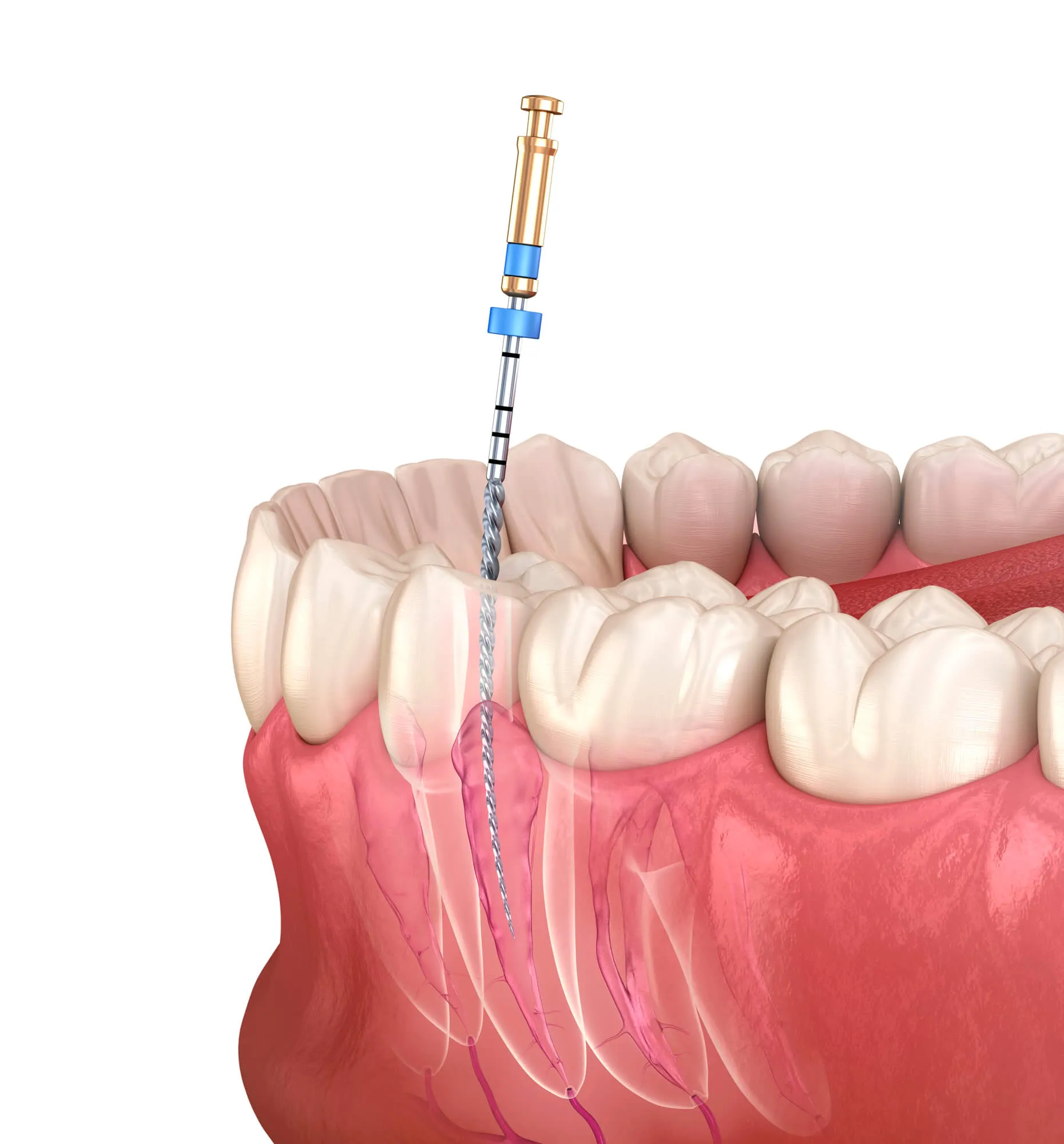
Inside every tooth is a soft tissue called pulp, which contains nerves and blood vessels. When the pulp becomes damaged due to deep decay, cracks, or trauma, bacteria can enter the area, leading to inflammation or infection.
During a root canal procedure, the dentist:
- Removes the affected pulp tissue
- Cleans and disinfects the inner canals of the tooth
- Seals the space to help prevent future contamination
- Restores the tooth with an appropriate restoration when needed
The goal is to preserve the natural tooth while eliminating the source of discomfort.
What Does a Root Canal Feel Like?
One of the most common questions patients ask is whether they will feel pain during treatment.
Modern local anesthesia is highly effective at numbing the area being treated. Most patients report that a root canal feels similar to receiving a dental filling. While some pressure or movement may be noticeable, significant discomfort during the procedure is uncommon.
After treatment, mild tenderness may occur for a few days as the surrounding tissues recover. This temporary soreness is generally manageable and gradually improves as healing progresses.
Signs You May Need a Root Canal
Not every toothache requires root canal therapy, but certain symptoms may indicate that the tooth's pulp has been affected.
Common signs include:
- Persistent tooth pain
- Sensitivity to hot or cold temperatures that lingers
- Pain when chewing or biting
- Swelling near the affected tooth
- Darkening or discoloration of a tooth
Because these symptoms can also be associated with other dental concerns, a professional evaluation is necessary to determine the cause.
Why Saving a Natural Tooth Matters
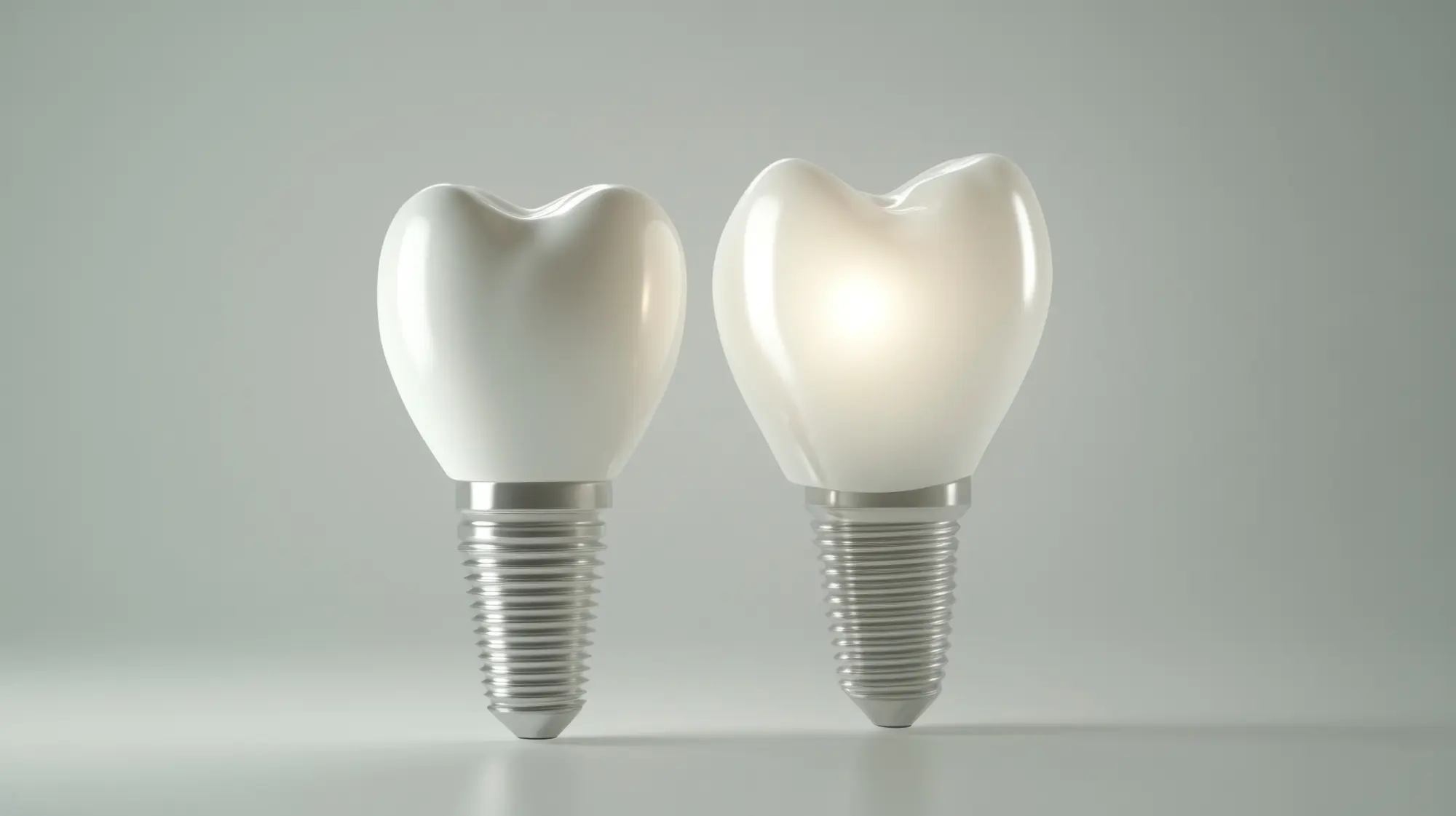
Whenever possible, preserving a natural tooth is often preferable to removing it. Natural teeth help maintain normal chewing function, support surrounding teeth, and contribute to overall oral health.
Root canal treatment allows many patients to keep teeth that might otherwise require extraction. Once restored, the tooth can continue functioning as part of the natural smile for many years.
Your dentist may recommend root canal therapy when preserving the tooth remains a viable option.
Looking for a Dentist on the Parkway?
Root canal treatment is often far less intimidating than many people expect. Modern techniques, advanced technology, and improved anesthetics have transformed the patient experience, allowing treatment to focus on relieving discomfort and preserving natural teeth.
At NaLa Smiles, care is centered on patient comfort, clear communication, and personalized treatment planning. If you are experiencing persistent tooth pain or have concerns about a tooth that may require attention, scheduling an evaluation can help you better understand your options and protect your long-term oral health.
Want to read more from NaLa Smiles?
Save us as a Preferred Source!