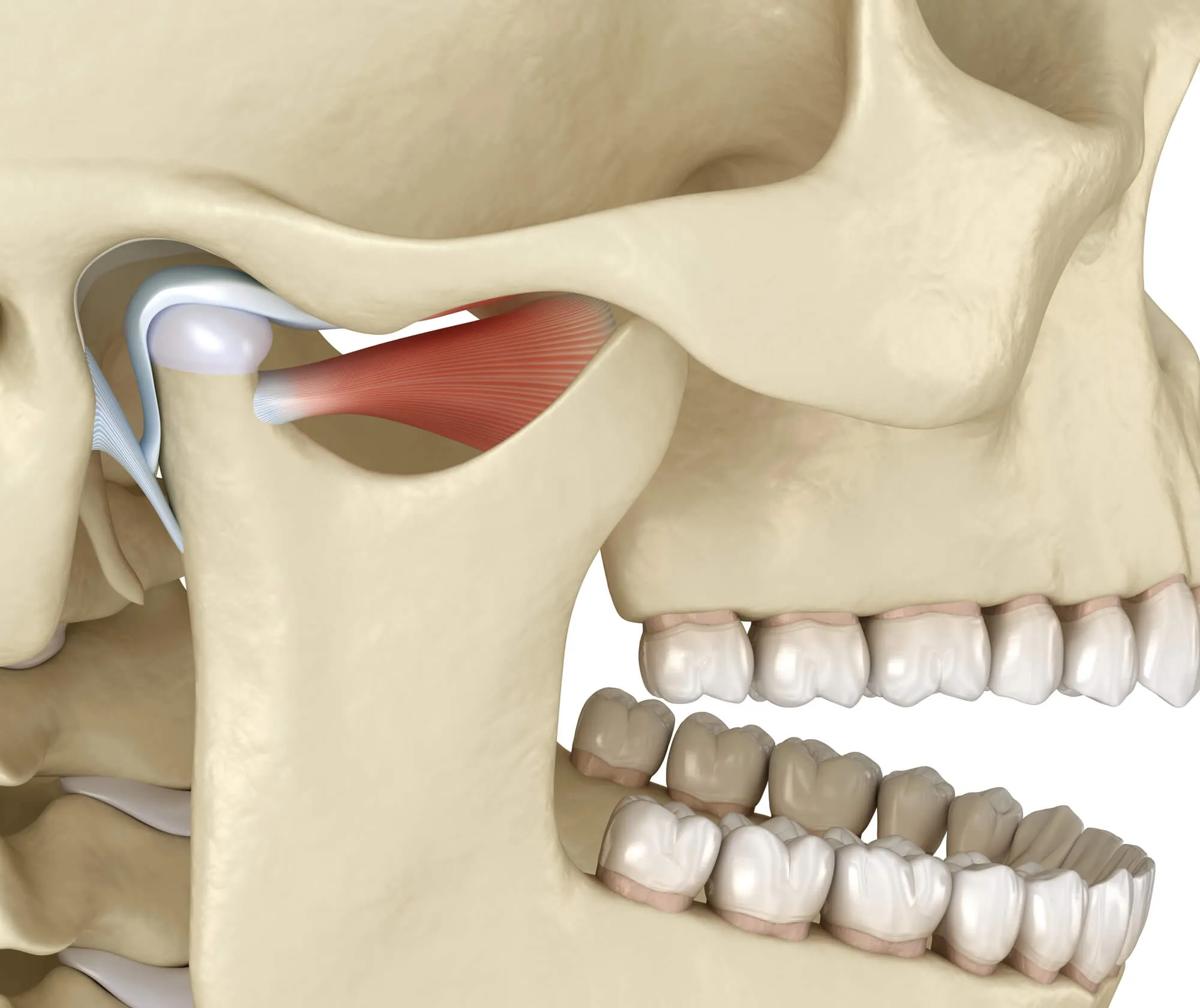
What Causes Jaw Pain and How TMJ/TMD Is Identified
Have you ever experienced jaw stiffness in the morning, clicking when you open your mouth, frequent headaches, or soreness around your ears, and thought it was just a result of stress or something you had to live with? Many people brush off these symptoms as normal. You might be surprised to learn that you shouldn’t have to deal with them on a regular basis. For those searching for a TMJ specialist in Alexandria, VA, understanding what causes jaw pain and how TMJ/TMD is identified can offer helpful clarity.

Common Causes of Jaw Pain
Jaw pain rarely stems from a single issue. In many cases, several contributing factors work together.
Muscle Tension and Overuse
The jaw muscles are active throughout the day. Habits such as clenching, grinding, frequent gum chewing, or holding tension in the face can strain these muscles over time. Stress often intensifies these patterns, leading to soreness, fatigue, and reduced mobility.
Bite Misalignment
When the upper and lower teeth do not come together evenly, the jaw joints and muscles may compensate for the misalignment. This imbalance can increase strain on the temporomandibular joints, causing discomfort during chewing, speaking, or yawning.
Teeth Grinding or Clenching
Bruxism, whether during sleep or waking hours, places repeated pressure on the jaw joints and surrounding muscles. Over time, this can contribute to inflammation, muscle fatigue, and noticeable wear on the teeth.
Joint Irritation or Inflammation
The temporomandibular joint contains a small disc that supports smooth jaw movement. If this disc shifts or the joint becomes irritated, symptoms such as clicking, popping, or locking may occur. Pain may also extend to the face, neck, or shoulders.
Postural Factors
Posture can influence jaw alignment. Forward head posture, often associated with prolonged screen use, can alter the position of the jaw in relation to the skull. Over time, this positioning can contribute to muscle tension and joint strain.
How TMJ/TMD Is Identified
Because jaw pain has many possible causes, evaluation involves more than a brief exam. A TMJ specialist uses several tools to form a clear assessment.
Symptom Review and Health History
The process often starts with a detailed discussion. Patients may be asked about jaw pain patterns, headaches, ear symptoms, sleep habits, stress levels, and prior dental work or injuries. This background helps identify contributing factors.
Physical Examination of the Jaw
A hands-on exam allows the provider to assess jaw movement, muscle tenderness, joint sounds, and range of motion. Areas of tension or imbalance are often identified during this step.
Bite and Tooth Wear Evaluation
Uneven tooth wear, grinding marks, or bite discrepancies provide insight into how the jaw has been functioning over time and where stress may be concentrated.
Imaging When Needed
In some cases, digital imaging such as X-rays or scans may be used to evaluate joint structure and alignment. This supports a more complete assessment and helps rule out other concerns.

Considering Care with a TMJ Specialist in Alexandria, VA?
Jaw pain rarely improves without addressing the underlying cause. Over time, symptoms may become more frequent or disruptive. Early identification enables care to focus on reducing strain, improving function, and supporting comfort before established patterns become more entrenched.
At NaLa Smiles, TMJ/TMD, care is guided by careful evaluation, clear communication, and a patient-centered philosophy. The team takes time to understand how jaw discomfort affects daily life and tailors recommendations to each patient’s needs.
If jaw pain, clicking, or tension has become a routine occurrence, a consultation with our team can help clarify what’s happening and what options may support greater comfort. The goal is to help patients move, speak, and rest with more ease through thoughtful, individualized care.
Want to read more from NaLa Smiles?
Save us as a Preferred Source!