Can Stress Make TMJ Symptoms Worse?
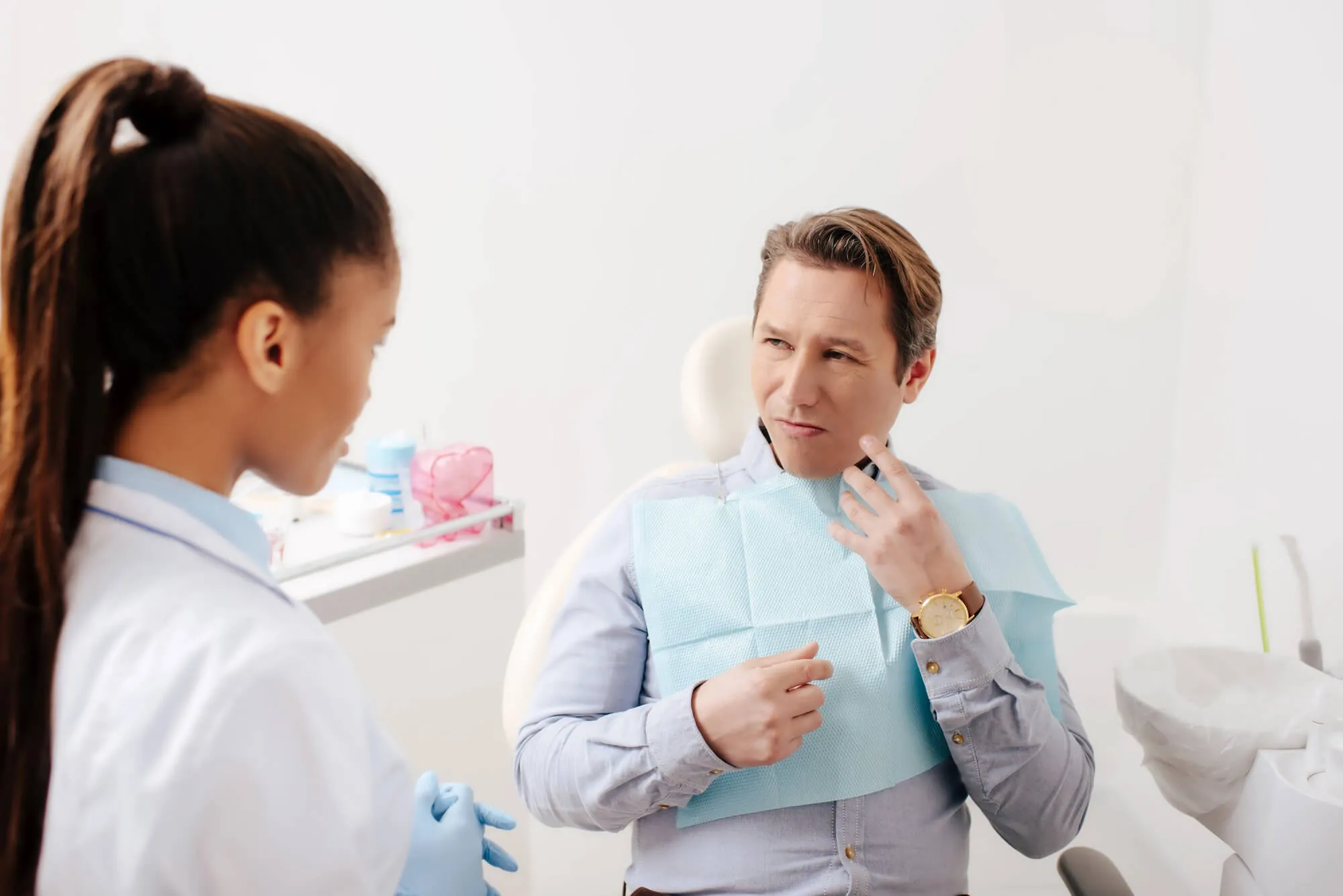
A sore jaw after a stressful week might seem like a coincidence, though it can sometimes be part of a larger pattern. You may wake up with facial soreness, notice clicking when opening your mouth, or develop headaches without realizing your jaw muscles have been working overtime while you sleep. Emotional stress can contribute to habits such as teeth clenching and muscle tension that place added strain on the jaw. Visiting a TMJ specialist in Alexandria, VA, can help determine whether stress is contributing to your symptoms and identify appropriate treatment options.
The Connection Between Stress and TMJ Symptoms
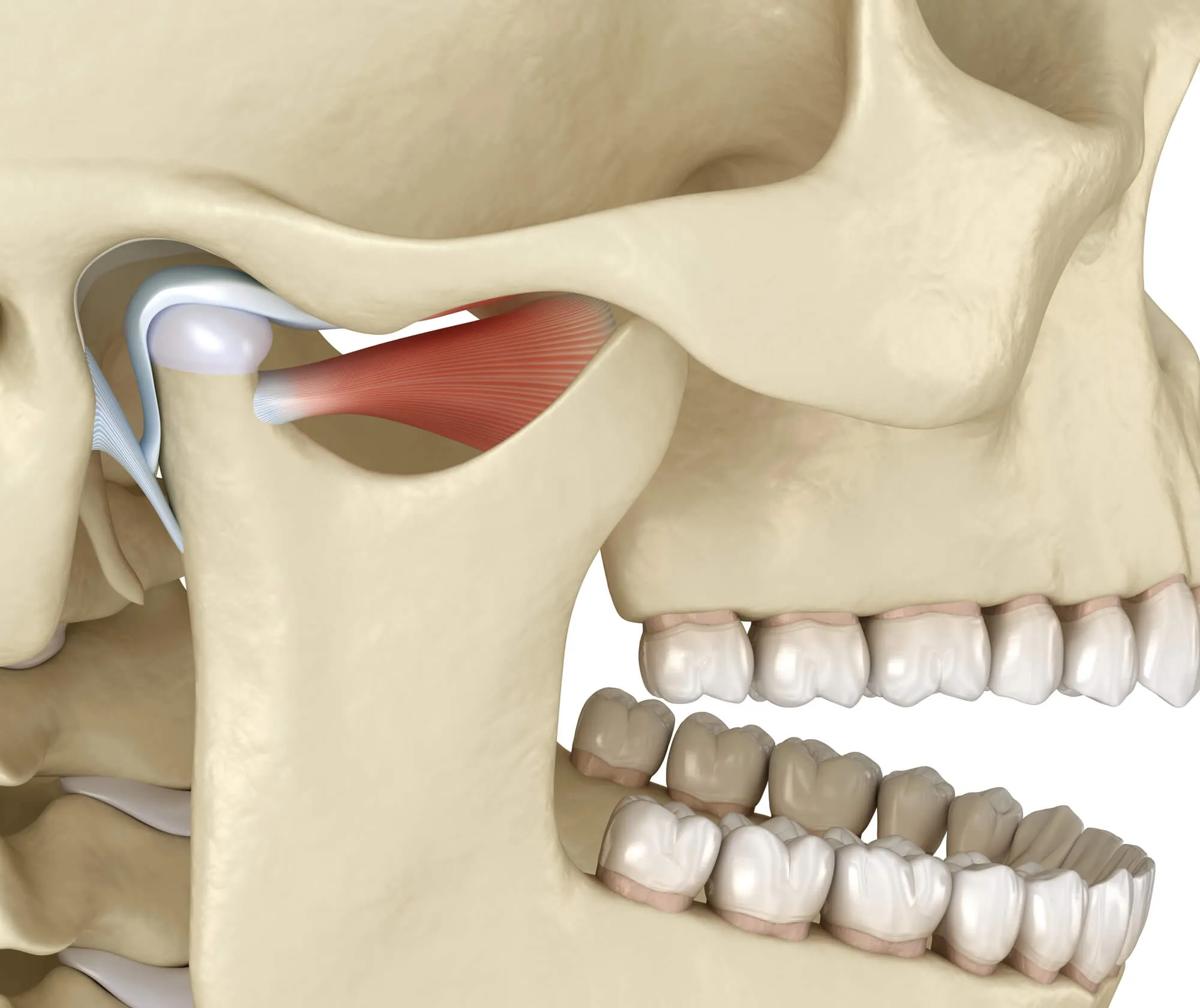
The temporomandibular joints (TMJs) connect the lower jaw to the skull and allow movements such as speaking, chewing, and yawning. These joints work together with muscles, ligaments, and surrounding tissues to support smooth jaw movement.
Stress does not directly cause temporomandibular joint disorder (TMD), though it may contribute to behaviors that place additional pressure on the jaw. Over time, this extra strain may increase discomfort in patients who already have TMJ-related problems.
Teeth Clenching and Grinding
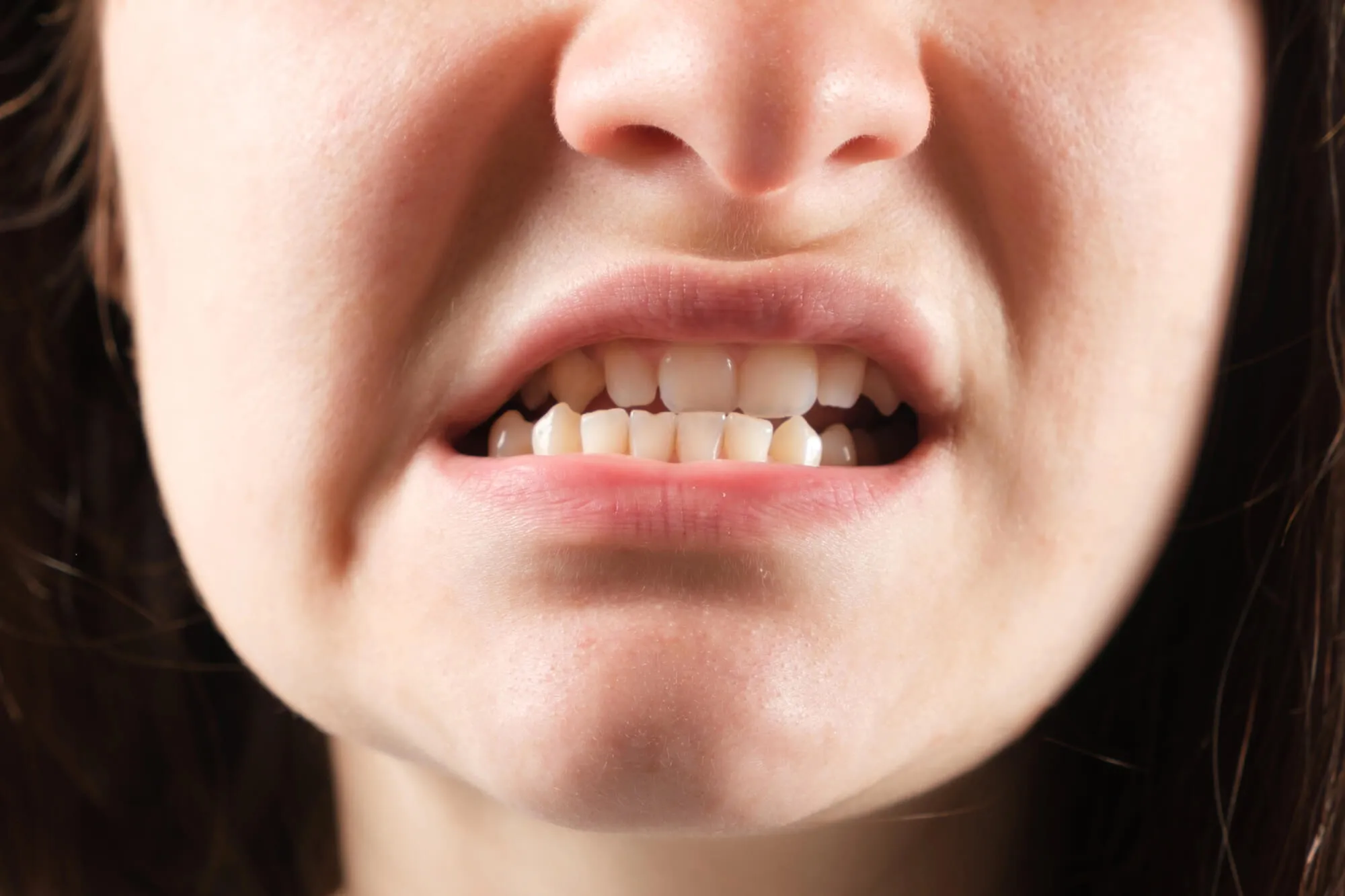
One of the most common responses to stress is clenching or grinding the teeth, often during sleep, without realizing it. Repeated pressure places extra force on the jaw joints and surrounding muscles.
This constant tension may contribute to:
- Facial muscle fatigue
- Morning headaches
- Tooth sensitivity
- Increased jaw stiffness
Muscle Tension Throughout the Day
Stress often causes people to tighten the muscles in their face, neck, and shoulders. Holding these muscles in a tense position for long periods may increase pressure around the jaw joints.
Some patients notice their symptoms become more noticeable after long workdays, emotionally demanding situations, or extended periods of concentration.
Changes in Daily Habits
Stress can also influence sleep quality, posture, and overall muscle tension. While these changes do not automatically cause TMD, they may contribute to worsening symptoms for some patients.
Signs It May Be Time for an Evaluation
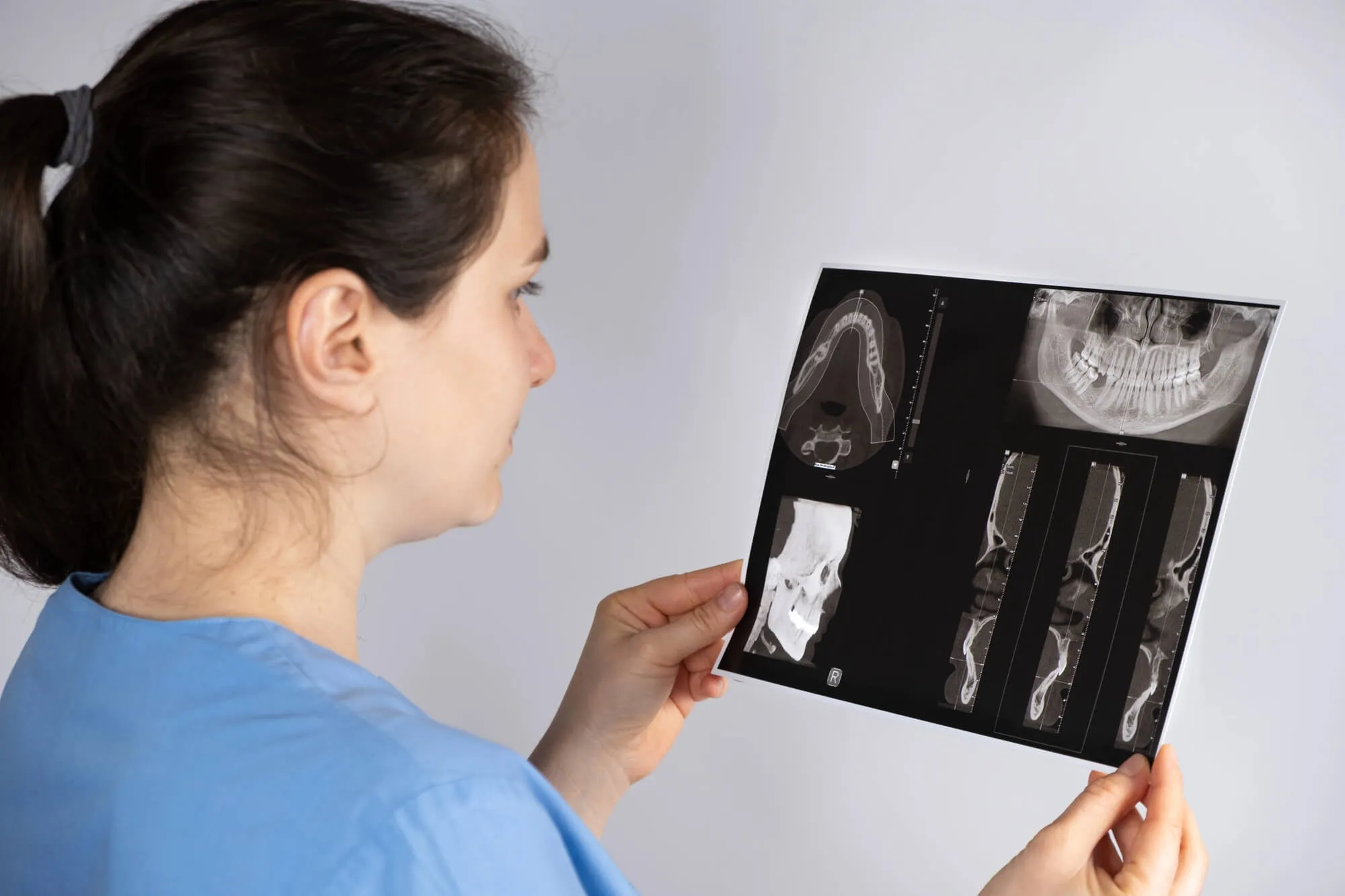
Jaw discomfort has many possible causes, making a professional evaluation important when symptoms continue or become more frequent.
Some signs include:
- Jaw pain or tenderness
- Clicking or popping sounds
- Limited jaw movement
- Difficulty opening or closing the mouth comfortably
- Frequent headaches
- Facial pain near the jaw joints
Because similar symptoms may occur with other dental conditions, identifying the source of discomfort helps guide appropriate care.
How TMJ Symptoms May Be Managed
Treatment depends on the underlying cause and severity of the condition. Following a comprehensive evaluation, your dentist will recommend an approach based on your specific symptoms.
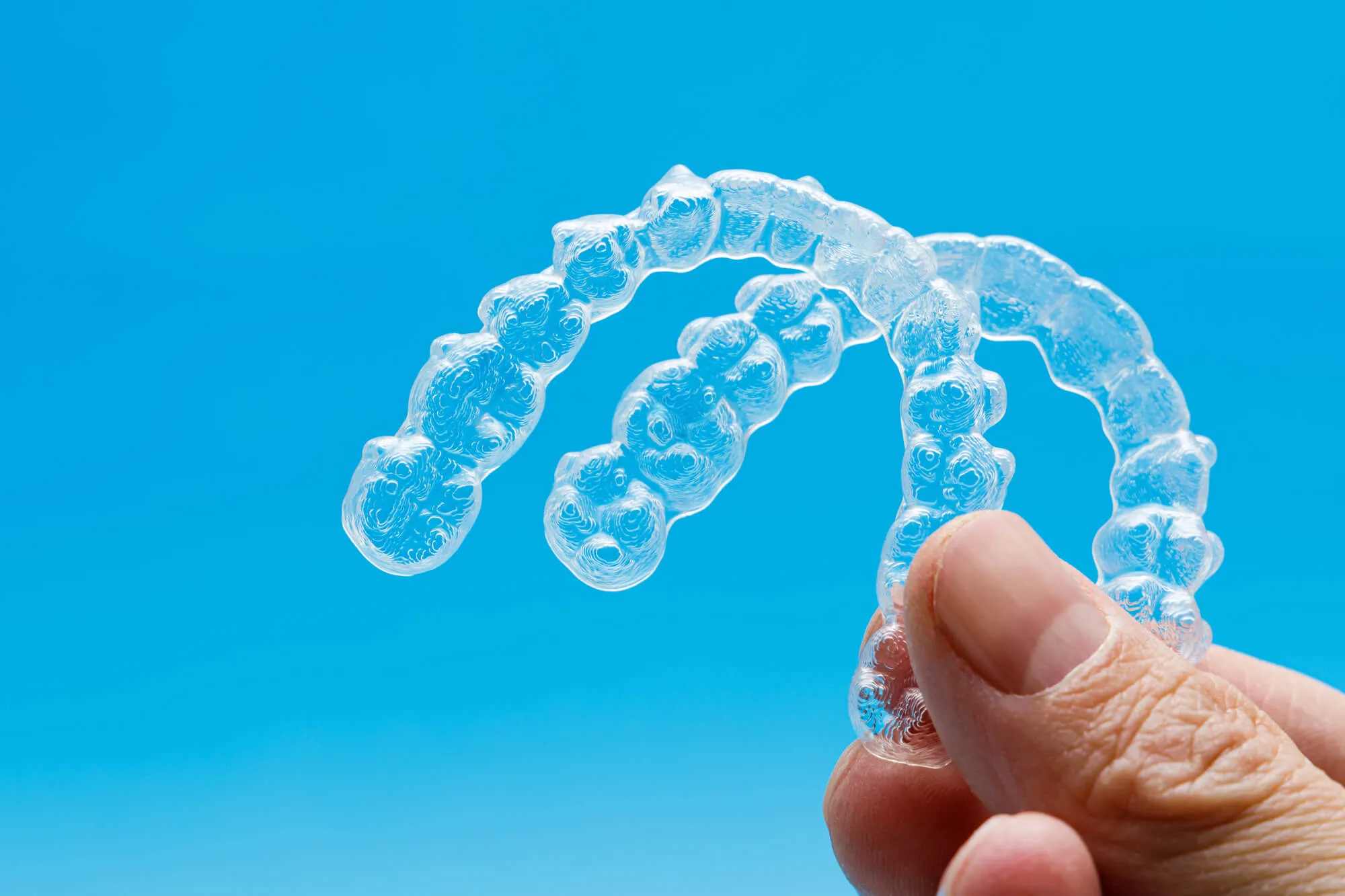
Treatment may include a custom oral appliance designed to reduce pressure on the jaw joints and muscles while helping protect the teeth from clenching or grinding. Depending on your symptoms, your dentist may also recommend lifestyle modifications to improve jaw comfort and function.
Seeking care early allows your dentist to identify contributing factors and recommend appropriate management before symptoms begin affecting your quality of life.
Ready to Visit a TMJ Specialist in Alexandria, VA?
Persistent jaw discomfort, headaches, or clicking sounds should not be ignored simply because they seem to come and go. Identifying the cause early allows treatment to be tailored to your specific needs and may help improve everyday comfort.
At NaLa Smiles, care is centered on listening to each patient, providing thoughtful evaluations, and creating personalized treatment plans using modern dental technology. If you're experiencing ongoing jaw discomfort, schedule a consultation with a TMJ specialist in Alexandria, VA, to discuss available treatment options.
Want to read more from NaLa Smiles?
Save us as a Preferred Source!